
Homemade Mascarpone Cheese Recipe (2 Ingredients)

Make your own Italian cream cheese at home. All you need is 2 ingredients to make rich and creamy homemade mascarpone cheese.
Homemade mascarpone is rich, creamy, buttery and delicious. It also costs a good bit less than the tubs at the shop, which is how I got started making it in the first place.
Just like homemade mozzarella and homemade ricotta, this popular Italian cheese is much easier to make than people expect.
You need 2 ingredients and a few basic kitchen tools. No cheesemaking kit, no rennet, no special cultures.
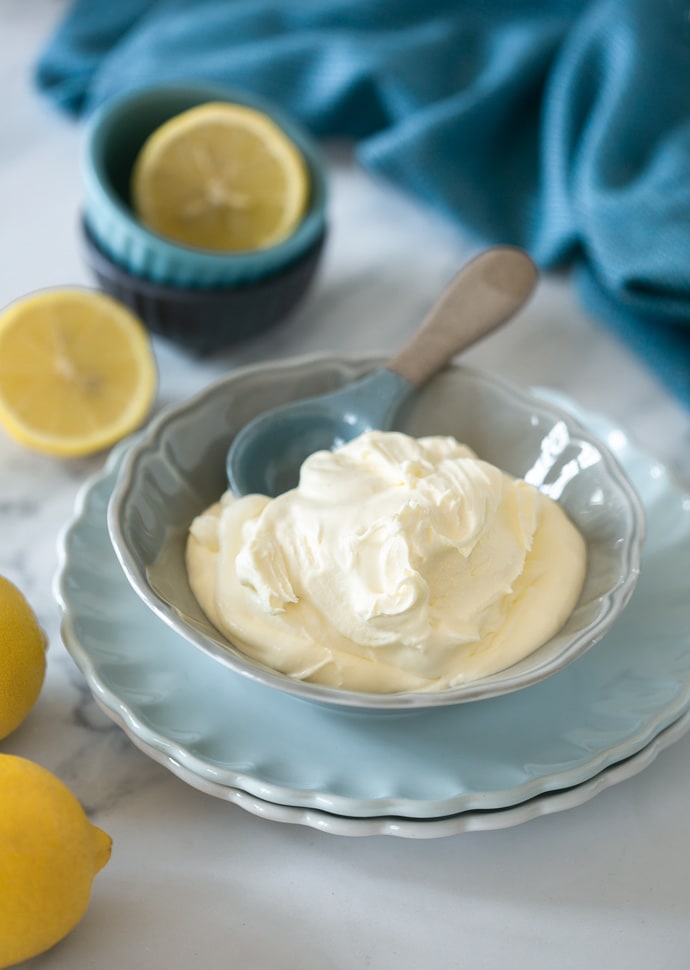
This unique Italian cream cheese works in both savoury and sweet recipes, and it's naturally gluten-free and vegetarian-friendly.
One thing before you start: this is a slow recipe, but not a hard one. You'll spend about 10 minutes at the stove, then the fridge does the rest overnight.
Jump to:
What is mascarpone?
Mascarpone (pronounced mahs-car-POH-nay) is an Italian cream cheese, and it's best known as the star of traditional tiramisu.
It comes from Lombardy, in the north of Italy, where cooks have been thickening cream with something acidic for centuries. That's the whole trick, and it hasn't really changed. Heat the cream, add acid, let it set.
Mascarpone tastes subtly milky and a little sweet, with a rich, buttery texture.
It's smooth and spreadable, closer to clotted cream than to American-style cream cheese, and it isn't tangy the way cream cheese is.
You'll usually find it in larger grocery stores, sitting next to the cream cheese, and it tends to cost more than most other soft cheeses. That's the main reason making mascarpone at home is worth the effort!
Mascarpone Ingredients
All you need to make home made mascarpone cheese is literally two ingredients.
Here below are my recommendations, so you get the best results every single time!
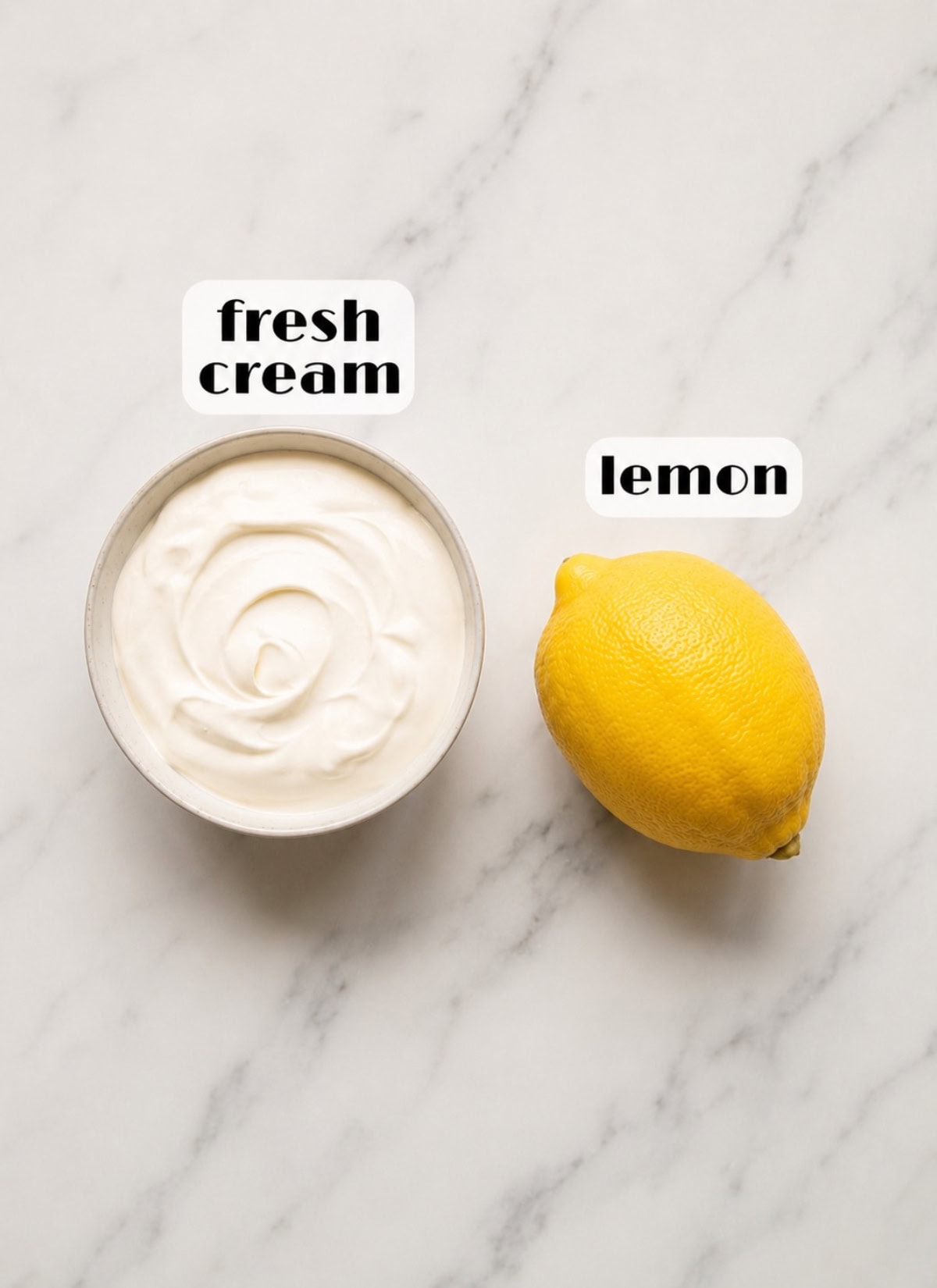
FRESH WHIPPING CREAM
To make fresh mascarpone you need fresh whipping cream (we call it panna fresca in Italy). Whipping cream sits at around 32–36% fat, depending on the brand, and any fresh cream in that range will work.
If you're in the US, look for heavy cream or heavy whipping cream. Heavy cream has at least 36% milk fat and whipping cream has 30–36%. Both are fine here.
A note on ultra-pasteurised cream. UHT or ultra-pasteurised cream has been heated to a much higher temperature, and the proteins in it don't always set the same way. It usually still works, but the curd can come out softer and looser, and it may need a few extra hours in the fridge.
Skip anything labelled "light cream", "single cream" or "half and half". There isn't enough fat in them to set.
LEMON JUICE
Freshly squeezed lemon juice is all you need. Bottled juice works in a pinch, but fresh gives a cleaner flavour.
You can swap it for 2 g of citric acid dissolved in 1 tablespoon of lukewarm water.
White wine vinegar works too, in the same quantity, and so does lime juice, the lime leaves a faint citrus note that I actually like in a cheesecake.
Avoid balsamic or any dark vinegar, for obvious reasons.
Equipment
- Cooking thermometer (I use a Thermapen, and an instant-read one really is worth it here)
- Heavy-duty saucepan for heating the cream
- Strainer or sieve
- Cheesecloth, butter muslin or a clean tea towel
- Air-tight container for storing the cheese
A quick word on the straining cloth. Supermarket cheesecloth is often woven loosely, so you'll want 3 to 4 layers or the cream will run straight through.
Butter muslin is what most cheesemakers use, it's the same idea but woven tighter, and one layer does the job.
A clean, well-rinsed linen tea towel is the old-school option and works beautifully.
Whatever you use, wash it without fabric softener first, or the cheese will taste of laundry.
How to make mascarpone cheese
The best part of this homemade mascarpone recipe is that it takes about 10 minutes of hands-on work.
After that you just wait for the cheese to set.
Here's a quick overview of the process. Scroll to the end of the post for the full printable recipe.
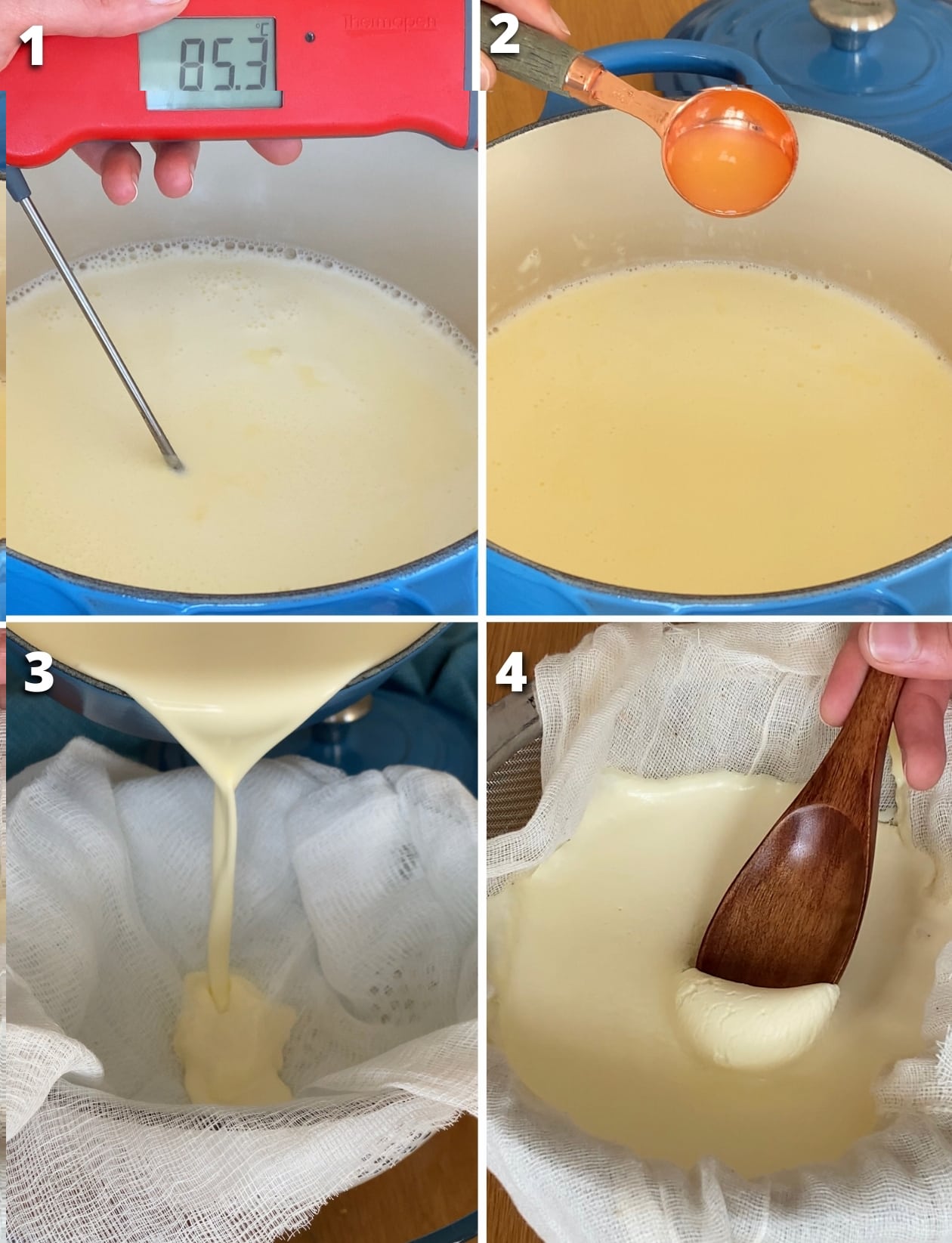
- Place the heavy cream in a saucepan and stir over low heat, until it reaches 185F /85C.
- Add in the lemon juice, and stir over low heat for 2 minutes, then remove from the heat and let the cream cool.
- Place a sieve lined with a tea towel or 3-4 layers of cheesecloth over a bowl. Pour the cooled cream through, cover, and refrigerate for 24 hours.
- The cheese is ready when it's thick, creamy and rich. Scrape it out of the cloth and into a container.
Cooking tip: The liquid that drips into the bowl is whey. Don't bin it! I use it in pizza dough or pancake batter in place of some of the water or milk.
Cooking tips
- Use a thermometer. The temperature really matters here, and guessing is how most batches go wrong.
- Keep the heat low and stir often, so the cream doesn't catch on the bottom of the pan.
- Don't skip the resting time. The longer the cheese rests, the more compact it gets.
- Use good fresh cream. The better the cream, the better the cheese. There are only 2 ingredients here, so there's nowhere to hide.
Troubleshooting
Most mascarpone problems come down to temperature or patience. Here's what to do.
My mascarpone didn't set
Nine times out of ten the cream never got hot enough. It needs to reach 185°F / 85°C, and a thermometer is the only reliable way to know. Give it another 12 hours in the fridge first, sometimes it just needs longer.
If it's still runny after 24 hours, return it to the pan, bring it back up to temperature, add another teaspoon of lemon juice, and strain again.
Ultra-pasteurised cream is the other common culprit, as is cream with less than 30% fat.
It came out grainy
That means the cream got too hot, or it boiled. Once the fat separates you can't fully reverse it, but you can rescue the batch by giving it a few pulses in a food processor.
It'll be smooth enough for cooked recipes and frosting.
It separated or looks curdled
Too much acid, usually. Stick to 1 tablespoon of lemon juice per 500 g of cream. If your lemons are very sharp, start with 2 teaspoons and add more only if the cream hasn't thickened after 2 minutes.
It's too thick
Easy fix. Stir in a spoonful of cream, a little at a time, until it loosens up. Cheese that's been strained for 36 hours or more will often need this.
It's too thin
Put it back in the lined sieve and let it drain for another 6 to 12 hours in the fridge. Straining is what takes it from soft to spoonable.
Is homemade mascarpone cheaper?
Yes, and by a fair margin, though how much depends on what cream costs where you live.
Prices increase regularly, so here's the rule of thumb: if cream costs less than half what mascarpone costs per ounce, making it at home wins.
Where homemade really pulls ahead is quality. You choose the cream, and there are no stabilisers, gums or preservatives in the finished cheese.
Storage tips
Store homemade mascarpone cheese in an airtight container in the fridge, and use it within 3 to 4 days. It has no preservatives, so it doesn't keep as long as the shop-bought kind.
Press a piece of cling film directly onto the surface before you put the lid on.
That stops a skin forming and keeps the cheese from picking up fridge smells, mascarpone is fatty, and fat absorbs odours fast.
How to tell if mascarpone has gone off
Trust your nose first. Fresh mascarpone smells faintly of sweet cream and almost nothing else. Throw it out if you notice:
- A sour, tangy or yeasty smell
- Any mould, whether it's blue, green, pink or fuzzy white
- Yellowing at the edges or a grey tint
- Watery liquid pooling on top that doesn't stir back in
- A sharp or fizzy taste
A little liquid on the surface is normal and you can just stir right it back in.
Can you freeze mascarpone?
You can freeze mascarpone, but I don't recommend it if texture matters to you. It tends to separate when it thaws, because the fat and water split apart as ice crystals form.
If you want to freeze it anyway, here's how to give it the best chance:
- Freeze it in an airtight container, in the portion sizes you'll actually use, with as little air on top as possible.
- Leave about half an inch of headspace, since it expands slightly.
- Label it with the date, and use it within 1 month.
How to thaw it properly
Move it to the fridge and leave it overnight, or up to 24 hours for a full container.
Never thaw mascarpone on the counter or in the microwave, quick thawing is exactly what makes it split.
Once it's thawed, stir it well, or whisk it if it looks grainy. A few seconds with a hand blender will bring most of it back together.
Use thawed mascarpone in cooked dishes: pasta sauces, risotto, baked cheesecake, cake batter. Don't use it for tiramisu or anything no-bake, where the texture is the whole point.
Recipe FAQs
Cream and an acid, and that's all. Traditional Italian mascarpone uses cream and tartaric acid. At home, lemon juice or citric acid does the same job.
You can, but I'd rather you didn't. If you have no other option, watch for the cream to steam steadily with small bubbles around the edge of the pan and no rolling boil. That's roughly 185°F / 85°C.
Yes, as long as your cream was pasteurised and you heated it to 185°F / 85°C, which it will have been. Keep it refrigerated and use it within 3 to 4 days.
No. Mascarpone is made from cream alone and is richer, sweeter and higher in fat. Cream cheese is made from milk and cream with added cultures, which is where its tang comes from.
Mascarpone substitutes
Out of mascarpone and don't have 24 hours? These are the swaps I'd actually use.
Cream cheese: The closest match by texture, and the easiest to find. It's tangier and less rich, so soften it and beat in 2 tablespoons of heavy cream per 8 oz to bring it closer.
Best for: frosting, cheesecake, dips. Not ideal for tiramisu.
Ricotta: Lighter, grainier and much lower in fat. Blend whole-milk ricotta until completely smooth, then fold in a little cream.
Best for: baked desserts, pasta fillings, savoury dishes. Not ideal for anything that stays raw and creamy.
Greek yogurt: It's thick and spoonable, but noticeably sour. Strain it overnight in a lined sieve to thicken it further, and expect a tangier result.
Best for: breakfast bowls, savoury dips, lighter desserts.
Crème fraîche: The best savoury substitute, spoon for spoon. It's cultured, so it's tangy, but it holds up to heat without splitting.
Best for: pasta sauces, soups, anything cooked.
How to use mascarpone
There are plenty of good sweet and savoury ways to use it. Here are some of my favourites:
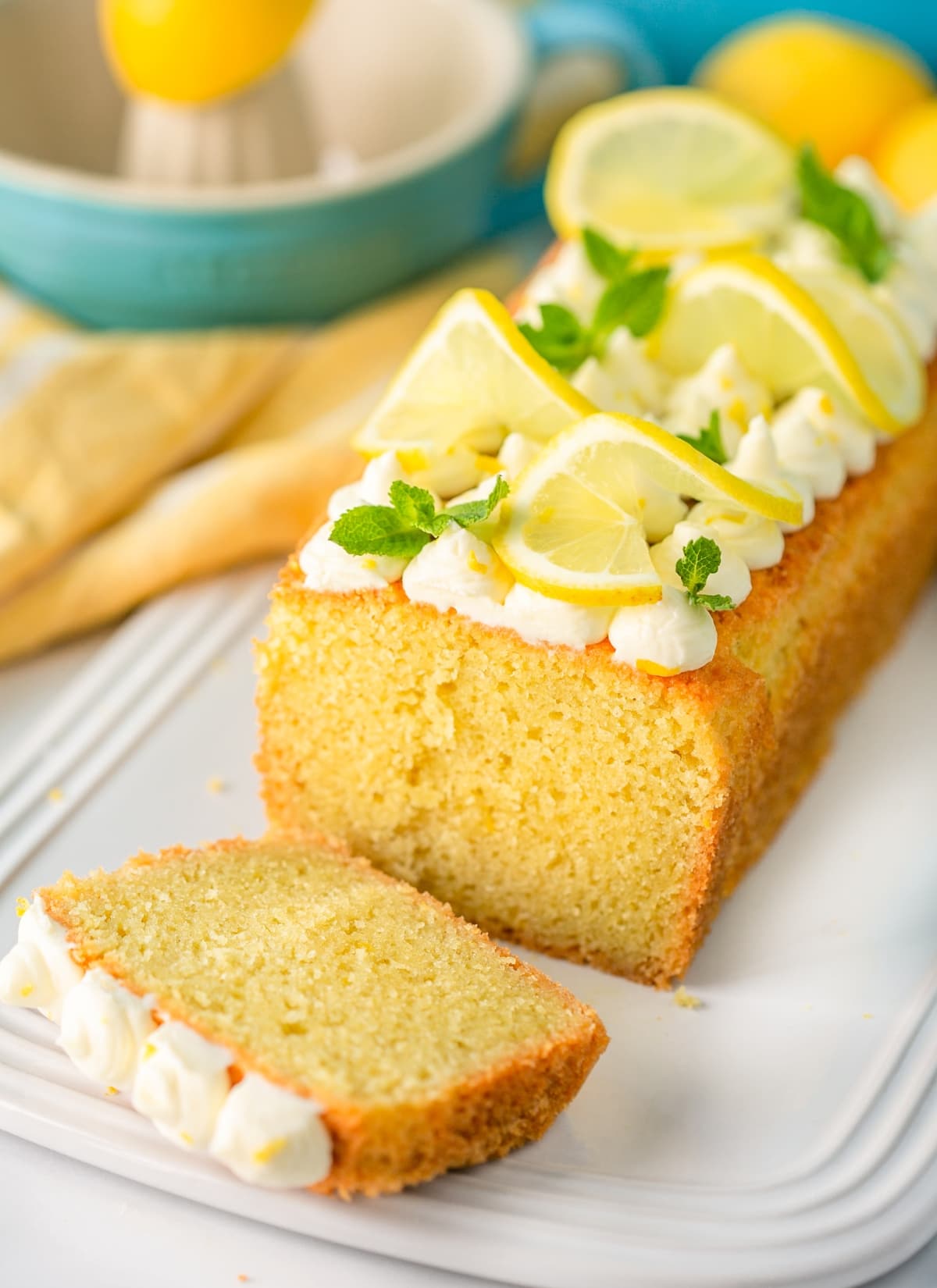
- Desserts: Make tiramisu, of course! Mascarpone is the ingredient the whole dessert is built on, and homemade makes a real difference. It's also lovely in limoncello cake, cheesecake, tarts, cookies and chocolate cannoli.
- Frosting: Use it in place of cream cheese. Try it on carrot cake, orange olive oil cake or water cake. For a quick homemade mascarpone cream, whip it with a little icing sugar and vanilla until soft peaks form, then spoon it over berries.
- Pasta sauces: Stir a couple of spoonfuls into hot pasta off the heat and it melts into a silky sauce in seconds. It's brilliant in mushroom tagliatelle, creamy salmon pasta and vegetarian lasagne. A spoonful with lemon zest, black pepper and grated Parmigiano makes a five-minute weeknight sauce on its own.
- Risotto: Swap the butter at the end for a heaped tablespoon of mascarpone. It's the mantecatura step, and mascarpone makes it glossier and creamier than butter does. Works especially well with mushroom risotto and pumpkin risotto.
- Vegetables: Fold it through mashed potatoes instead of butter. Stir it into creamed spinach, spoon it over roasted squash or beetroot, or use it to finish a pumpkin soup.
- Spread: Treat it like cream cheese and spread it on bagels, crackers, bruschetta or polenta crostini. Add honey and cracked pepper for something quick and very good.
Did you try this recipe?
Please let me know how you liked it! Leave a comment below and share a picture on Instagram with the hashtag #thepetitecook!
Don't forget to subscribe to my newsletter and follow along on Facebook, Pinterest and Instagram for all of the latest updates.
Recipe
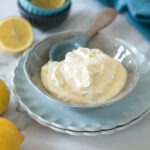
Homemade Mascarpone Cheese Recipe (2 Ingredients)
Ingredients
- 500 g fresh whipping cream
- 1 tablespoon fresh lemon juice
Instructions
- Place the whipping cream in a large saucepan and stir over low heat for about 3 minutes, or until reaches 185°F (85°C).
- Add in the lemon juice, and continue to stir over low heat for 2-3 minutes, then remove the pan from the heat and allow the cream cool.
- Place a sieve lined with a tea towel or 3-4 layers of cheesecloth over a bowl. Pour the cream through the sieve, only few drops of the cream should be able to reach the base of the bowl, if it's more, use 2 layers of tea towel to prevent it.
- Cover the cream and place in the refrigerator for 24 hours. The mascarpone cheese is ready when it reaches a rich and creamy texture.
Notes
- Temperature matters most. Under 185°F / 85°C, the cream won't set properly. Over it, the cheese turns grainy.
- Cream: use fresh pasteurised cream with 32–36% fat. Ultra-pasteurised works but sets softer and may need extra time.
- Acid swaps: 2 g citric acid dissolved in 1 tablespoon lukewarm water, 1 tablespoon white wine vinegar, or 1 tablespoon lime juice.
- Too thick? Stir in a spoonful of cream. Too thin? Strain for another 6–12 hours.
- Whey: save the liquid that drains off for bread, pizza dough or pancakes.
- Scaling up: for 500 g of mascarpone, start with about 800 g of cream.
Nutrition
The information shown is an estimate provided by an online nutrition calculator. It should not be considered a substitute for a professional nutritionist’s advice.

Hi,
I would like to know how much Mascarpone do we get for 500 gm of whipping cream.
Thanks
Hoping to make this soon, but I was noticing that the recipe says 500 grams of whipping cream and at the store there is a pint (473ml) option and a quart (946ml) option. Since I don't know if I plan to make anything else with whipping cream right now, I was thinking about getting the pint size, but I don't want to mess up the recipe. Do you know if it will still work if I only use a pint? Are there any adjustments needed if I did that?
Hello! I think it should work just fine, if you want to be extra safe, just add 1/2 teaspoon less of lemon juice, but honestly I think it would work even without this step 🙂